Schoolstead: Education for a Regenerative Europe
A hands-on, nature-connected education model that brings children, teachers, and schools into living ecological systems — built for the next generation of European learners.
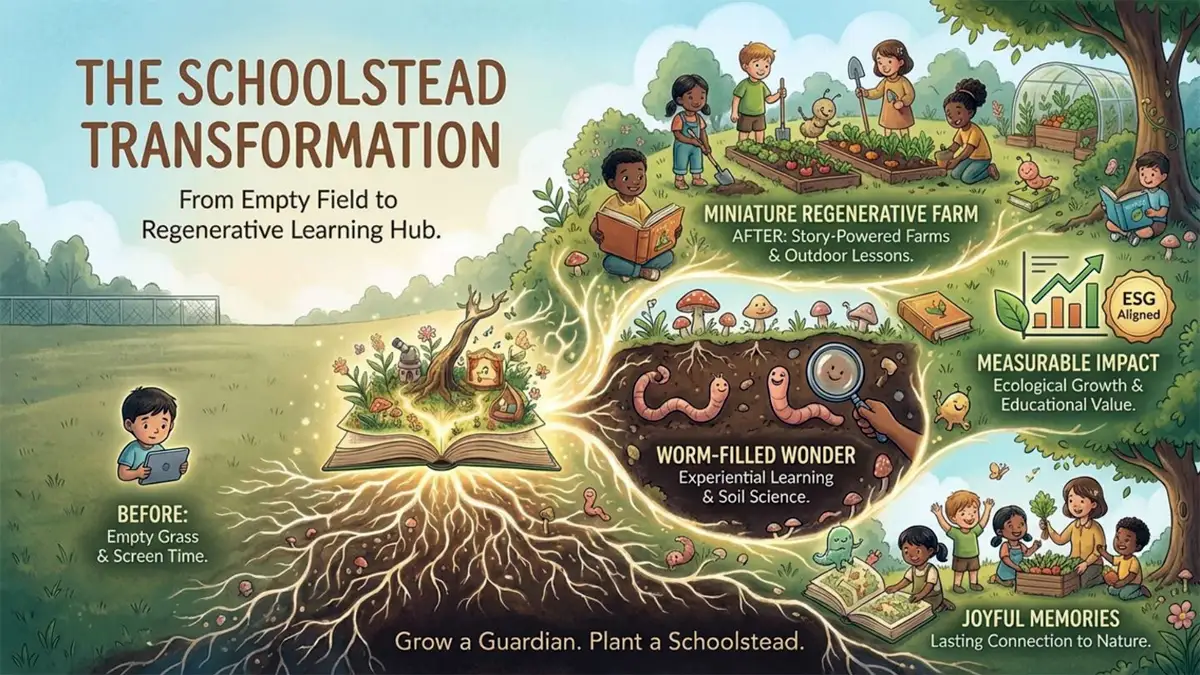
Why Schoolstead Exists
Europe is facing a generational challenge:
- children are spending less time outdoors,
- ecological literacy is declining,
- schools lack access to safe nature-based learning environments,
- and teachers are under pressure to deliver modern, meaningful sustainability education.
The Grow a Guardian. Plant a Schoolstead framework describes this clearly:
"Children cannot protect the planet if they are not connected to it."
Schoolstead was created to solve this problem at scale.
The Schoolstead Concept
A Schoolstead is a learning ecosystem connected to a Hunstead — a real place where children:
- explore food systems,
- learn ecological science,
- connect with soil, biodiversity, and water cycles,
- build creative projects,
- and experience regenerative living directly.
It is not a curriculum module.
It is a living classroom.
Each Schoolstead forms a bridge between:
What Children Learn in a Schoolstead
Schoolstead uses a blended approach of:
Hands-on ecological learning
- Soil health
- Planting & composting
- Pollination
- Microbial life
- Food growing
- Water systems
- Wildlife observation
STEM + Nature
Children integrate biology, chemistry, physics, and maths into real systems:
- measuring soil moisture
- calculating plant growth
- testing pH
- observing biodiversity
- mapping garden zones
Creative Storytelling & Experiential Learning
Story-based learning (e.g., Michael Rizal, the Wood Wide Web) helps children:
- emotionally connect with ecological systems
- understand long-term stewardship
- build creative confidence
Regenerative Mindset
Children experience:
- circular systems
- stewardship
- cooperation
- local resilience
- community participation
Schoolstead trains not just knowledge — but identity.
The 3-Week Schoolstead Module
The core Schoolstead programme is a 3-week immersion, used by schools as:
a project block
an outdoor learning term
an ecology module
a special enrichment experience
Each module includes:
Week 1 – Discovery
Soil, water, biodiversity, gardens, ecosystems.
Week 2 – Creation
Planting, building small nature structures, creative ecology projects.
Week 3 – Regeneration
Food systems, observation, long-term stewardship activities.
This structure creates clear learning arcs and measurable outcomes.
How Schoolstead Connects to the Hunstead Network
Every Schoolstead is paired with a Hunstead — creating a permanent nature-learning partner for each school.
This integration allows:
field trips
volunteering days
creative workshops
garden-to-table experiences
biodiversity monitoring
climate-resilience projects
parent-and-child community days
Hunstead & Schoolstead together form a joined-up ecosystem of:
Impact for Schools
Schoolstead enhances:
Educational Outcomes
- improved STEM attainment
- increased ecological literacy
- improved focus & creativity
- experiential learning engagement
Social Outcomes
- teamwork
- emotional resilience
- connection to land and community
- mental wellbeing
Environmental Outcomes
- real projects that enhance local biodiversity
- gardens that continue growing after the module ends
- measurable regenerative improvements
Teacher Benefits
Schoolstead gives educators:
ready-made lesson structures
printable learning packs
hands-on demonstrations
continuous support from the Hunstead team
The Case for Support document identifies Schoolstead as:
"A scalable educational innovation aligned with EU climate, biodiversity, wellbeing and curriculum frameworks."
Impact for Corporates (ESG & CSR)
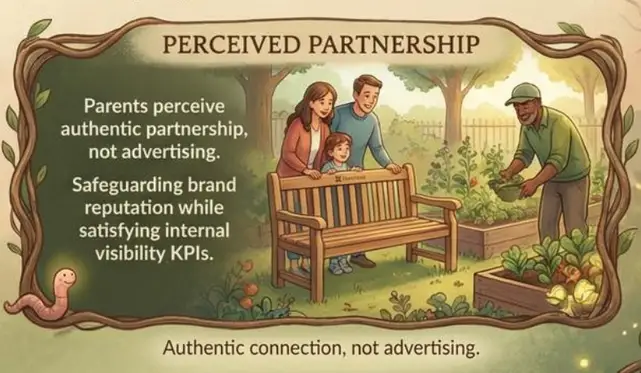
Schoolstead provides a powerful ESG and CSR partnership pathway.
Corporations can:
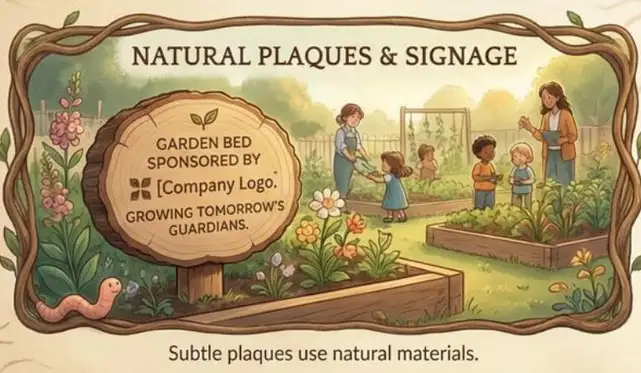
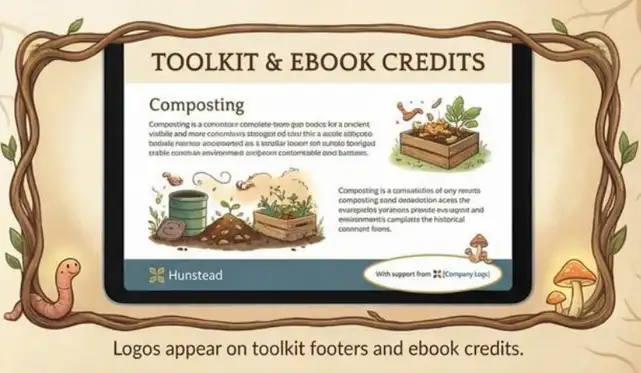
- sponsor Schoolstead modules
- fund nature-learning materials
- support outdoor classrooms
- send employee volunteers
- co-fund a Schoolstead's long-term development
S (Social) impact
through children
E (Environmental) impact
through ecological projects
G (Governance) transparency
via Hunstead reporting
The Schoolstead programme is referenced across the ESG Edge and Master Narrative decks as a top-tier social impact multiplier.
How Schools Participate
Schools can join the Schoolstead network in several ways:
Bring classes for Schoolstead field days
Short immersive sessions, ideal for early exposure.
Enroll in the 3-week Schoolstead module
The full, structured educational experience.
Become a Schoolstead partner school
Long-term collaboration, seasonal visits, ongoing projects.
Work with a local Hunstead
Create a lasting learning corridor that children revisit every year.
Adopt a Schoolstead Micro-Project
Small regenerative projects (Upsteads) connected to the curriculum.
The Long-Term Vision
Schoolstead is not a side programme —
it is a core part of Europe's Regenerative Blueprint.
The long-term vision includes:
This aligns directly with the Regenerative Civilisation Blueprint, which prioritises:
as the central agents of regeneration.
Call to Schools and Partners
If you are:
a teacher
a school leader
a curriculum designer
a parent
an educational NGO
Schoolstead offers a pathway to bring your learners into meaningful contact with the living world.